
How Long Does Chipseal Last? 2026 Lifespan & Maintenance Guide
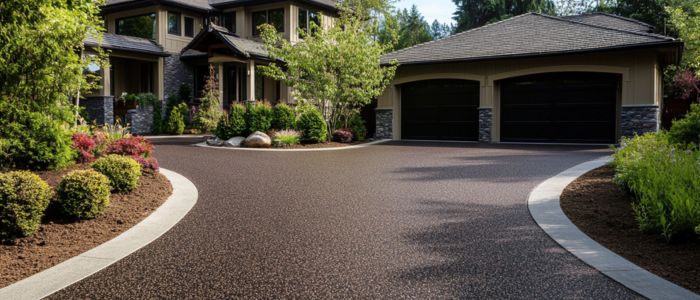
Chipseal driveways and roadways are known for their rustic charm, cost-effectiveness, and solid performance, but how long does chipseal really last? On average, a well-installed chip seal surface lasts between 7 to 10 years, though its true lifespan can vary significantly based on several key factors. These include traffic volume, climate, installation quality, type of binder and aggregate used, and how well the surface is maintained over time.
Unlike asphalt or concrete, chipseal doesn’t just rely on thickness, it depends on how all components work together to protect against weathering and wear. When applied and maintained properly, it offers a long-lasting, low-maintenance alternative that’s ideal for both residential and municipal surfaces. If you’re considering this option, see how it compares in The Spruce’s guide on tar-and-chip driveways.
In this updated 2026 guide, we’ll break down what determines chipseal longevity, how it compares to other paving options like macadam driveways, and what you can do to get the most years out of your investment.
Table of Contents
- Top 10 Factors That Affect Chipseal Longevity
- The Role of Subgrade and Drainage in Chipseal Longevity
- Chipseal vs Asphalt vs Concrete: Lifespan and Value Comparison
- When to Reapply or Replace a Chipseal Surface
- FAQs Related to “How Long Does Chipseal Last?”
- Conclusion: Is Chipseal the Right Choice for You?
Top 10 Factors That Affect How Long Chipseal Lasts
1. Traffic Volume and Load
The amount and type of traffic your chipseal surface experiences plays a major role in determining how long it will last. Heavy vehicles like trucks, RVs, and construction equipment place greater stress on the surface, accelerating aggregate loss and binder wear. Constant movement, turning, and braking can loosen the stone, especially in high-traffic areas like intersections or steep inclines.
On the other hand, light-to-moderate residential traffic typically allows chipseal to last closer to its full potential—7 to 10 years or more, especially with proper maintenance.
To counteract heavy-use wear:
- Use larger, angular aggregate
- Select a high-performance binder
- Add a second chipseal layer in stress-prone zones
Learn how we tailor installations to meet traffic demands on our Chip Seal Driveways page.
2. Quality of Base and Subgrade Preparation
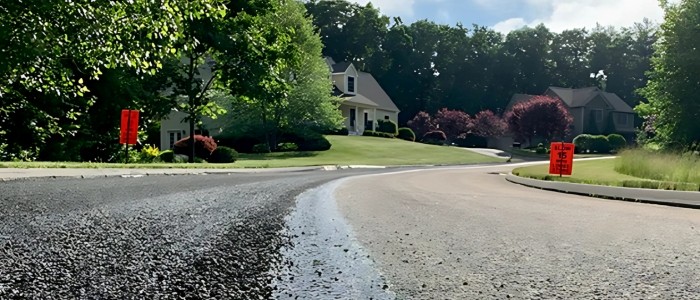
A chipseal surface is only as durable as the base beneath it. A poorly compacted or unstable subgrade leads to settling, cracking, rutting, and early surface failure.
Essential base prep includes:
- Thorough surface cleaning
- Leveling and shaping
- Full compaction to eliminate soft spots
If moisture is trapped in a weak subgrade, freeze-thaw cycles and saturation can reduce the surface’s lifespan significantly. Proper drainage and grading are just as important as the materials used on top.
For technical insight into base construction, check out this engineering resource.
3. Climate and Weather Conditions
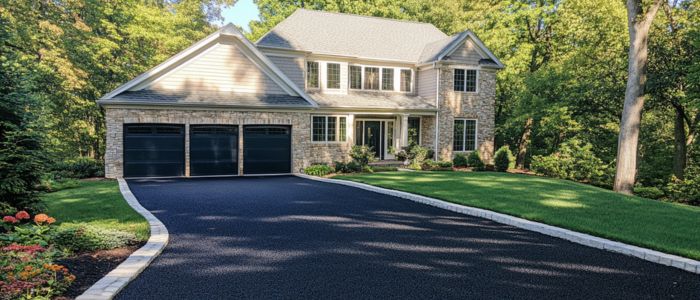
Extreme weather, from scorching heat to deep freezes, can shorten chipseal lifespan if not properly accounted for. Hot temperatures can soften asphalt emulsion, while freezing conditions make it brittle and prone to cracking. Frequent freeze-thaw cycles, especially in New England, accelerate breakdown when water penetrates and expands beneath the surface.
Rain also presents a risk. If water isn’t drained away properly, it can weaken the bond between the binder and stone, leading to loose aggregate and surface erosion.
To extend performance:
- Use weather-appropriate emulsions and stone
- Install only in ideal weather windows (dry, warm conditions)
- Avoid late-fall or damp-day installations
For guidelines on chipseal weather suitability, visit Road Resource’s climate considerations.
Need help determining the right season to install? Contact New England Asphalt for a site evaluation.
Thinking About a New Chip Seal Driveway?
Request a Free Quote
Our team is ready to help you create a durable, beautiful surface that stands the test of time. Contact us today to learn more.
4. Type and Quality of Aggregate Used
Aggregate selection is crucial to chipseal longevity. Angular, high-quality crushed stone locks together better and provides lasting surface texture. Cheaper or rounded aggregates are more likely to shift, loosen, or wear away under traffic.
High-quality aggregate ensures:
- Strong interlock and surface grip
- Resistance to displacement
- Better bond with the binder
Your region’s climate also impacts which size and type of stone is ideal. New England Asphalt selects stone based on your site’s slope, use case, and environmental exposure.
5. Quality of Emulsion or Binder
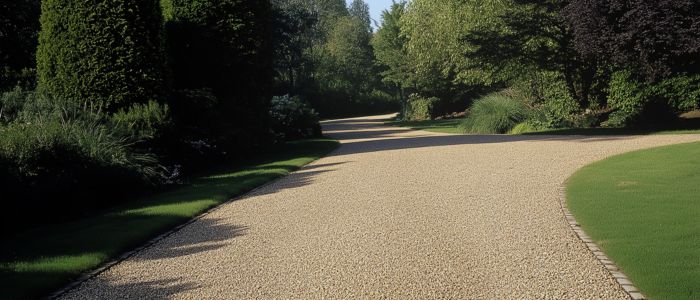
The binder, or asphalt emulsion, is the adhesive that holds the entire surface together. If the binder is poor quality, it won’t resist UV rays, water, or movement, leading to premature failure. High-quality binders protect against:
- Water infiltration
- UV degradation
- Freeze-thaw damage
- Stone shedding
For regions with seasonal extremes, polymer-modified binders are recommended. These enhance flexibility, improve adhesion, and extend chipseal performance even in high-stress zones.
For more on how binder type impacts longevity, refer to the PSU chip seal workshop guide.
6. Application Rates of Binder and Aggregate
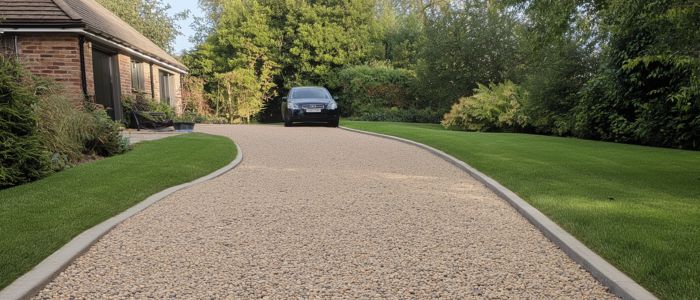
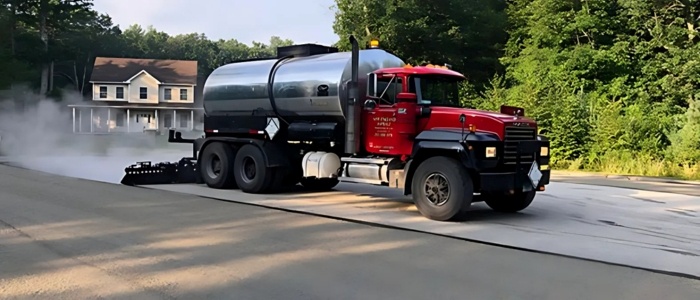
The amount of asphalt binder and aggregate applied during chipseal installation must be carefully calculated. Applying too much or too little of either material can significantly reduce the surface’s durability.
- Too much binder can cause bleeding, where asphalt seeps to the top, creating a sticky surface with reduced traction.
- Too little binder results in poor adhesion, leading to loose aggregate and increased vulnerability to water damage.
Likewise, inadequate or excessive aggregate coverage can compromise texture and performance. Experienced contractors, like those at New England Asphalt, use calibrated equipment to ensure optimal rates for both materials, critical to achieving the full 7–10 year lifespan.
7. Proper Timing of Installation
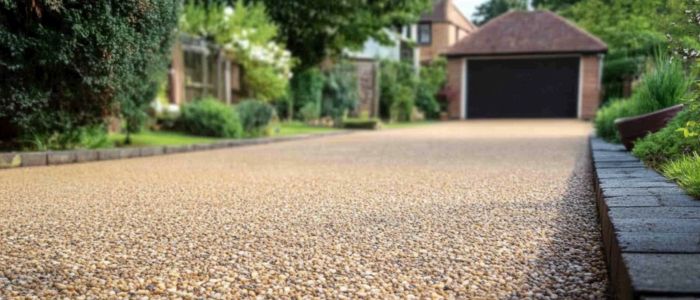
Chipseal must be installed under the right weather conditions to ensure proper bonding and curing. Ideal timing includes:
- Dry, warm temperatures
- Low humidity
- No rain forecast for 24–48 hours
Installing during cool, damp, or rainy conditions can compromise the binder’s ability to adhere and set properly. It can also lead to streaking, uneven distribution, or premature failure. As outlined in RoadResource.org’s weather guide, choosing the right day for installation is critical for a long-lasting result.
For help scheduling your project around the ideal conditions, contact our team at NEAS.
8. Adequate Curing Time
Once installed, chipseal needs proper time to cure before it’s opened to traffic. During this phase, the binder sets and firmly locks the aggregate in place.
Rushing this step can result in:
- Dislodged stones
- Surface deformation
- Weak adhesion between layers
Typical curing time is 24 to 48 hours, but this may vary depending on temperature, binder type, and humidity. In some cases, temporary traffic controls like reduced speeds or limited access may be necessary to protect the surface during the first week.
Driving on chipseal too early is one of the top reasons installations fail prematurely.
9. Maintenance Practices
Even the best chipseal installation requires ongoing care. Simple, regular maintenance can significantly extend lifespan beyond 10 years.
Best practices include:
- Sweeping debris and loose stones regularly
- Crack sealing as soon as issues arise
- Monitoring drainage and runoff patterns
- Avoiding aggressive snowplow use
Proper maintenance helps preserve the bond between the aggregate and binder while reducing exposure to moisture and UV damage. For detailed upkeep tips, see our Chipseal Driveway Maintenance guide.
10. Subgrade and Drainage Conditions
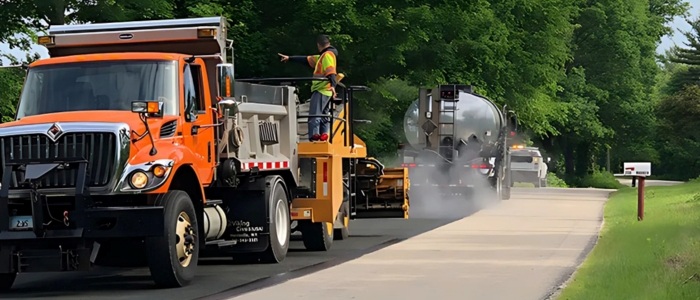
The subgrade, the layer beneath your pavement, must be stable and well-drained. If the soil is too soft, saturated, or poorly compacted, it will shift under pressure, leading to cracks, rutting, or total surface failure.
Proper drainage is also essential. Water pooling near or under the surface accelerates deterioration. Key solutions include:
- Grading the driveway for runoff
- Installing culverts or drains
- Using crushed stone or geotextile layers below the base
Skipping proper subgrade preparation is a common and costly mistake. It’s one of the leading causes of chipseal surfaces failing well before their expected lifespan.
The Role of Subgrade and Drainage in Chipseal Longevity
A properly prepared subgrade is the foundation of any long-lasting chipseal surface. If the ground beneath your pavement is unstable or holds moisture, it will compromise the entire structure over time.
Moisture intrusion is particularly damaging, as it creates the conditions for freeze-thaw cycles, water seeps beneath the surface, freezes, expands, and fractures the pavement from below. When combined with soft, poorly compacted soils, this leads to rutting, uneven settling, and eventually cracking or potholes.
To prevent this:
- Ensure the subgrade is well-compacted and tested for stability
- Incorporate drainage features such as culverts, ditches, or slope grading
- Avoid low spots that collect water or prevent proper runoff
A strong subgrade and effective drainage system help protect the surface from seasonal stress, heavy loads, and water-related damage, ultimately extending the life of your chipseal by years.
Curious if your site is ready for chipseal? Contact New England Asphalt for a free consultation and expert evaluation.
Chipseal vs Asphalt vs Concrete: Lifespan and Value Comparison
When choosing a paving surface, longevity is just one of many factors. Here’s how chipseal compares to asphalt and concrete in terms of performance, cost, and maintenance.
| Feature | Chipseal | Asphalt | Concrete |
| Typical Lifespan | 7–10 years | 15–20 years | 25–30 years |
| Initial Cost | Low | Moderate | High |
| Maintenance Needs | Moderate (sweeping, resealing) | Crack sealing, resurfacing | Occasional joint repairs |
| Appearance | Rustic, textured | Smooth, dark finish | Sleek, modern look |
| Best For | Driveways, rural roads | Urban driveways, parking lots | Premium residential, commercial |
| Surface Type | Aggregate-based | Solid blacktop | Poured slab |
| Climate Resilience | Good (with prep) | Excellent with proper drainage | Very good, but may crack in freeze-thaw cycles |
When to Choose Chipseal
- You’re looking for a cost-effective, low-maintenance alternative to blacktop
- You prefer a natural or rustic aesthetic
- Your driveway or access road sees light to moderate traffic
- You want quicker installation with less downtime
Chipseal is especially well-suited for rural or semi-rural properties, long driveways, or budget-conscious projects. Learn more in our article on chip seal driveway benefits.
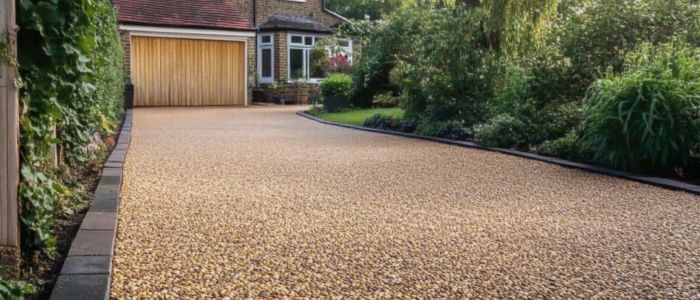
When to Reapply or Replace a Chipseal Surface
Even the best-installed chipseal surfaces don’t last forever. Knowing when to reapply or fully replace your surface is key to avoiding costly repairs or premature failure.
Signs It’s Time to Reapply Chipseal
If your surface is still structurally sound, but showing cosmetic or minor wear, it may just need a new chipseal layer:
- Faded or dull appearance (loss of binder color)
- Loose aggregate or minor raveling
- Reduced surface texture or traction
- Hairline cracks not yet deep or widespread
- Water pooling in isolated areas
In these cases, a new chipseal layer can restore performance and extend lifespan by another 7–10 years.
When Full Replacement Might Be Needed
Some surfaces experience deterioration that chipseal can’t fix alone:
- Widespread cracking or alligatoring
- Potholes or base failures
- Drainage issues that undermine the subgrade
- Uneven or sunken sections
These issues usually point to structural problems with the base layer—in which case, full-depth repair or reconstruction is a better long-term investment.
Not sure where your surface stands? Contact New England Asphalt for a professional evaluation and personalized recommendation.
FAQs Related to “How Long Does Chipseal Last?”
Chipseal typically lasts 7 to 10 years on residential driveways, and up to 12 years in ideal, low-traffic conditions. Lifespan depends heavily on climate, installation quality, and ongoing maintenance.
Yes, chipseal can be reapplied every 7–10 years, and reapplication is common in long-term surface preservation plans. Each new layer enhances protection and adds visual refresh without the cost of full reconstruction.
Most chipseal surfaces are safe for light traffic within 24–48 hours of application. However, it’s best to avoid heavy loads, sharp turns, and sudden braking for up to a week to allow full curing.
Chipseal is not as long-lasting as full-depth asphalt or concrete. While asphalt may last 15–20 years and concrete 25–30 years, chipseal is a cost-effective solution with a shorter lifespan—but ideal for driveways, rural roads, or budget-conscious projects.
Typical chipseal issues include:
– Loose stones from early traffic or poor bonding
– Binder bleeding if too much emulsion is applied
– Shortened lifespan under heavy use or poor drainage
– Dusting if the wrong aggregate is used
These are often preventable with proper installation and routine care.
Yes, simple maintenance like sweeping debris, sealing cracks, and ensuring drainage can extend chipseal life by several years. Avoiding early heavy traffic and plow damage in winter also helps prevent surface weakening.
Yes, but installation on steep slopes or tight turns requires adjustments. This may include using more angular aggregate or polymer-modified binders for better traction and stability.
Do you have more questions?
Contact NEAS for expert advice and solutions.
Thinking About a New Chip Seal Driveway?
Request a Free Quote
Our team is ready to help you create a durable, beautiful surface that stands the test of time. Contact us today to learn more.
Conclusion: Is Chipseal the Right Choice for You?
Chipseal offers a unique balance of affordability, durability, and curb appeal, making it an excellent solution for homeowners, municipalities, and commercial properties alike. With a typical lifespan of 7 to 10 years, and the potential to last even longer under ideal conditions, chipseal remains a smart choice for cost-effective surface preservation.
When properly installed over a well-prepared base and maintained with routine care, chipseal can provide reliable performance, especially in low to moderate traffic settings. Whether you’re planning a new driveway, improving a rural access road, or maintaining municipal pavement, chipseal delivers value that stands the test of time.
To ensure your project meets the highest standards, trust the experienced team at New England Asphalt. We specialize in tailored chipseal solutions designed for New England’s demanding climate and diverse project needs. Contact us today for a free consultation, and let’s discuss how we can help extend the life of your pavement with professional chipseal installation.