
2026 Guide to Oil and Stone Driveway Rejuvenation

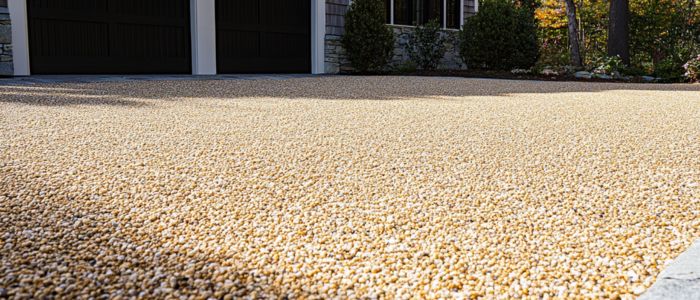
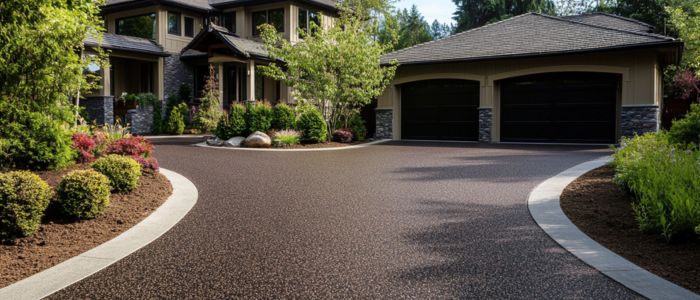
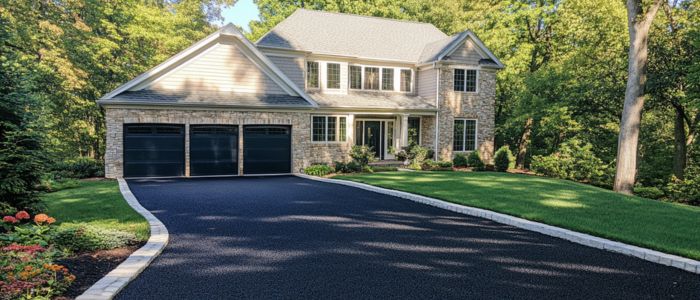
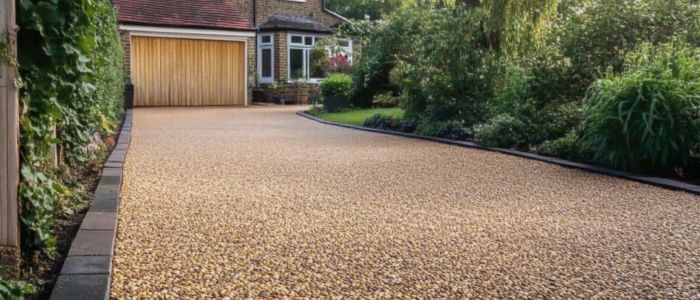
A spacious oil and stone driveway that provides access to a large, impressive residence set in a landscaped environment.

Over time, even the most well-built oil and stone driveways begin to show signs of aging, faded color, scattered stones, minor cracks, and a dry, brittle surface. While these symptoms may seem like the beginning of the end, they don’t necessarily mean you need a full replacement. 

Oil and Stone Driveway Rejuvenation offers a smart, cost-effective way to restore your driveway’s appearance, texture, and durability without tearing it up or starting over.

Here’s a list of the topics featured in the article:

  1. What Is Oil and Stone Driveway Rejuvenation?
  2. Why Choose Oil and Stone Driveway Rejuvenation?
  3. How the Rejuvenation Process Works
  4. Rejuvenation vs. Replacement
  5. Driveway Maintenance After Rejuvenation
  6. Cost vs. Long-Term Value
  7. Eco-Friendly Benefits of Oil and Stone Driveway Rejuvenation
  8. Choosing the Right Contractor for Driveway Rejuvenation
  9. Case Studies: Successful Projects
  10. Frequently Asked Questions
  11. Final Thoughts

This 2026 guide explores how the rejuvenation process works, the benefits it offers, and how it compares to more invasive (and expensive) solutions like resurfacing or reconstruction. Whether you’re a homeowner looking to protect your investment or a property manager seeking long-term savings, this treatment could be the key to extending your driveway’s life while improving its performance and curb appeal.

For related surface treatments, you may also want to explore our guide on chip seal driveway maintenance.

What Is Oil and Stone Driveway Rejuvenation?

Oil and stone driveway rejuvenation is a preventative surface treatment designed to restore and extend the life of an existing oil and stone driveway. Rather than replacing the surface entirely, this method revives the aging pavement by applying a rejuvenating asphalt emulsion that penetrates and restores the original binder, followed by a fresh application of stone aggregate. This dual process brings back the dark, rich appearance of the driveway while also reinforcing its structural integrity.

The rejuvenation treatment works especially well on driveways that are oxidized, faded, or beginning to loosen at the surface, but still structurally sound. It seals small cracks, tightens the stone matrix, and reduces the risk of water infiltration, which is one of the leading causes of long-term driveway damage. It also enhances surface traction and provides a cleaner, more uniform finish that boosts curb appeal.

A well-maintained gravel driveway leading to a house, highlighting the oil and stone rejuvenation process.

Why Choose Oil and Stone Driveway Rejuvenation?

Choosing oil and stone driveway rejuvenation isn’t just about giving your driveway a facelift; it’s a smart, proactive way to protect your investment and avoid costly repairs down the line. Here are the key reasons homeowners and property managers choose this method:

1. Extends Pavement Life

By restoring essential oils to the asphalt and embedding new stone into the surface, rejuvenation strengthens your driveway and defends against further oxidation, cracking, and surface breakdown. This means fewer repairs, longer lifespan, and lower long-term costs.

2. Cost-Effective Alternative to Replacement

Full driveway replacement is expensive and disruptive. Rejuvenation, on the other hand, delivers impressive visual and structural improvements at a fraction of the cost. For a breakdown of typical costs and comparisons, visit our page on chip and seal driveway cost.

3. Improved Surface Traction and Safety

The fresh layer of angular stone not only enhances the look of your driveway but also improves traction—especially beneficial in wet or icy conditions. This textured surface is ideal for both residential driveways and larger rural properties.

4. Enhanced Curb Appeal

A rejuvenated driveway instantly improves the appearance of your property. The rich, restored color and clean stone surface give your home a polished look that adds value and charm.

5. Environmental and Resource Efficiency

Rejuvenation utilizes the existing pavement, minimizing waste and the need for new materials. This aligns with sustainable practices by reducing landfill use and lowering the environmental footprint of driveway maintenance. Learn more in our guide to eco-friendly driveway solutions.
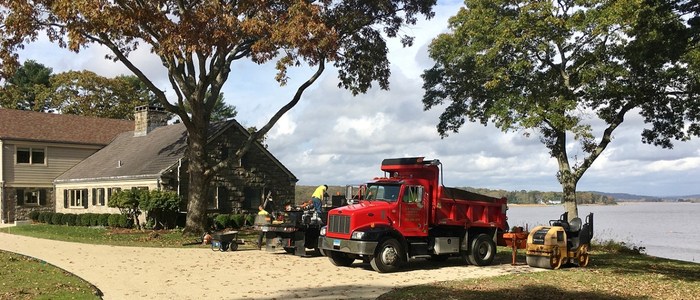
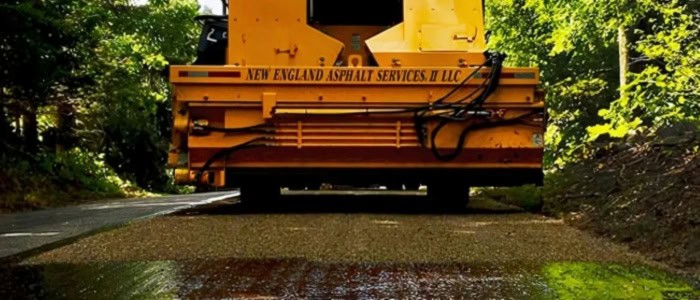
A red dump truck is parked beside a lake, illustrating the Oil and Stone Driveway Rejuvenation process.

How the Rejuvenation Process Works: Step-by-Step

Understanding the rejuvenation process helps homeowners see why this method is both effective and long-lasting. When performed by experienced professionals, oil and stone driveway rejuvenation can restore your surface in just a day while delivering benefits that last for years.

Step 1: Surface Inspection and Preparation

The process begins with a thorough inspection of the existing driveway. Technicians assess the condition of the asphalt, looking for oxidation, loose stone, and early signs of cracking. Any major issues—such as potholes or drainage problems—must be addressed first to ensure a successful rejuvenation.

Preparation includes cleaning the surface, removing debris, and trimming vegetation around the driveway edges. This ensures proper bonding between the rejuvenator and the existing surface.

Step 2: Application of Rejuvenating Asphalt Emulsion

Next, a specially formulated asphalt rejuvenator is sprayed evenly across the driveway. This emulsion is designed to penetrate the existing pavement, restoring lost oils and increasing flexibility in the surface binder. Unlike sealcoating, which sits on top of the pavement, a rejuvenator soaks into the asphalt to rebuild strength from within.

Step 3: Stone Broadcast and Embedding

While the surface is still tacky, a fresh layer of clean, angular stone is spread over the entire driveway. This new aggregate is carefully selected for size, color, and texture to match or improve the original look. The stone is then rolled or tamped to firmly embed it into the rejuvenated surface, creating a bonded, skid-resistant layer that protects the asphalt underneath.

Step 4: Curing and Post-Treatment Care

After installation, the surface needs time to cure, typically within 24 to 48 hours, depending on the weather. During this period, it’s important to limit traffic and allow the oils to fully absorb and the stone to set. Once cured, the driveway is ready for regular use, now protected against water intrusion, UV damage, and daily wear.

Want to compare this to other long-term maintenance strategies? Visit our guide on chip seal driveway maintenance.
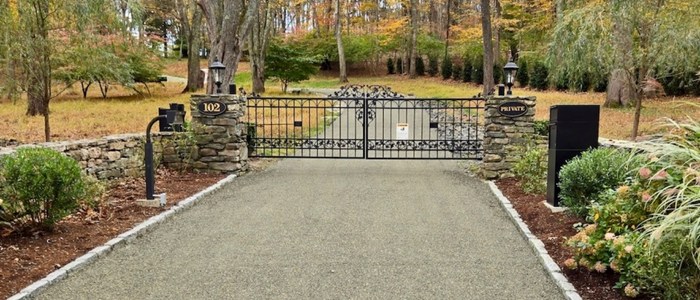
A gated driveway with a stone walkway, representing the concept of rejuvenating versus replacing driveways.

Rejuvenation vs. Replacement: Which Does Your Driveway Need?

Not all driveways are good candidates for rejuvenation. The key difference lies in the surface condition and structural integrity of the existing pavement. Here’s how to determine whether rejuvenation is right for your driveway—or if a full replacement is the smarter choice.

When Rejuvenation Is the Right Solution

  • Surface oxidation and fading: The color has dulled, and oils have dried out, but the structure is intact.
  • Minor stone loss: Some aggregate is loose or missing, but the surface isn’t severely pitted or crumbling.
  • Early-stage cracking: Fine, hairline cracks that haven’t deepened or spread across the surface.
  • Stable foundation: There are no signs of settling, rutting, or drainage failure underneath the surface.

In these cases, rejuvenation can restore flexibility, reseal the surface, and significantly extend the driveway’s service life, typically by another 5 to 10 years.

When Replacement Is Unavoidable

  • Widespread, deep cracking: Cracks that go beyond surface level signal structural failure.
  • Base or sub-base issues: Puddling, heaving, or sinking are signs that the foundation has deteriorated.
  • Extensive potholes or surface deformation: Severe damage that compromises the integrity of the pavement can’t be resolved with surface treatments.
  • Previous poor installation: If the original driveway was not properly constructed, rejuvenation may only offer short-term results.

If you’re unsure where your driveway stands, we recommend reading our breakdown on what type of driveway lasts the longest to better understand material life cycles and treatment options.

Thinking About a New Chip Seal Driveway?

Request a Free Quote

Our team is ready to help you create a durable, beautiful surface that stands the test of time. Contact us today to learn more.

Driveway Maintenance After Rejuvenation: What to Expect

Once your oil and stone driveway has been rejuvenated, regular maintenance becomes both simpler and more important. With proper care, a rejuvenated surface can perform exceptionally well for years, resisting the common issues that lead to premature breakdown.

Routine Maintenance Tips

  • Sweep regularly to remove debris and keep the stone layer clear of dirt, leaves, or sediment that can trap moisture.
  • Inspect annually for signs of wear, such as loose aggregate, emerging cracks, or areas where oil penetration is fading.
  • Keep edges clear of overgrown vegetation, which can trap moisture and degrade the surface.

Avoid Common Mistakes

  • Don’t drive on the surface too soon after treatment. Allow the recommended curing time (typically 24–48 hours).
  • Avoid heavy turning or sharp braking during the first few weeks to prevent disturbing the stone.
  • Don’t skip reapplication: plan to have your driveway evaluated every 5 to 8 years to determine if another rejuvenation is beneficial.

When to Consider Additional Services

If cracks begin to form between rejuvenation cycles, consider targeted crack filling to prevent moisture from penetrating deeper. In harsher climates, additional driveway sealing may provide extra protection between full rejuvenations.

By following these basic care guidelines, you’ll protect the surface from the freeze-thaw cycle, reduce repair costs, and extend the life of your investment.

Cost vs. Long-Term Value: Why Rejuvenation Makes Financial Sense

When evaluating driveway solutions, homeowners often focus on upfront cost, but it’s the long-term value that makes oil and stone driveway rejuvenation stand out. This treatment offers a strategic balance between affordability, performance, and longevity.

Upfront Cost Comparison

While pricing can vary based on location, driveway size, and surface condition, rejuvenation typically costs significantly less than full replacement or repaving. Here’s a general comparison:

  • Rejuvenation: More affordable and less labor-intensive; requires fewer materials and less equipment.
  • Full Replacement: High labor and material costs; includes demolition, disposal, base work, and new asphalt or concrete.
  • Overlays or Repaving: Moderate to high cost depending on thickness and preparation required.

For a more detailed breakdown, see our article on chip and seal driveway cost, which covers surface treatment pricing structures.

Long-Term Value

  • Extended lifespan: Adds 5–10 years of service to your existing driveway.
  • Fewer repairs: Helps prevent larger issues like deep cracking or base failure.
  • Better resale potential: A rejuvenated driveway improves curb appeal, which can positively impact home value.
  • Lower environmental impact: Less material use, less waste, and lower energy requirements.

When done at the right time and by experienced professionals, rejuvenation delays the need for a full rebuild, offering homeowners significant savings without sacrificing performance or aesthetics.
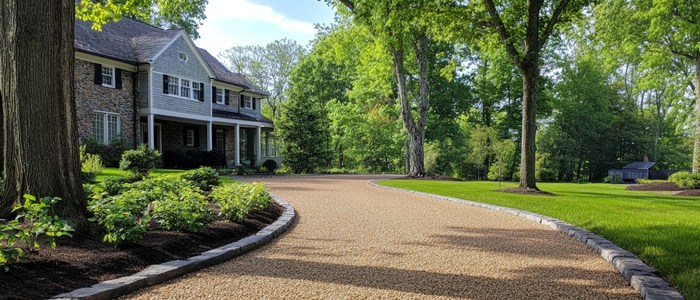
A house with a gravel driveway surrounded by trees, emphasizing the eco-friendly benefits of driveway rejuvenation.

Eco-Friendly Benefits of Oil and Stone Driveway Rejuvenation

In addition to saving money and extending pavement life, oil and stone driveway rejuvenation offers several environmental advantages over traditional repaving or full replacement. By preserving the existing surface and minimizing resource use, this method aligns with more sustainable driveway care practices.

Reduced Material Waste

Rejuvenation makes use of your current driveway structure, significantly reducing the need for demolition and disposal of old materials. This keeps tons of asphalt and aggregate out of landfills and reduces the environmental footprint of your maintenance project.

Lower Energy and Emissions

Unlike asphalt replacement, which requires heating, hauling, and extensive equipment use, rejuvenation is a low-impact, cold-applied process. It consumes less energy and generates fewer emissions, especially when using locally sourced materials.

Recyclable and Bio-Based Materials

Many rejuvenating agents are made with bio-based oils or recycled asphalt products, further improving the environmental profile of the treatment. The stone aggregate used in the process is also fully recyclable and often locally sourced.

For more on sustainable paving practices, visit our guide on eco-friendly driveway solutions.

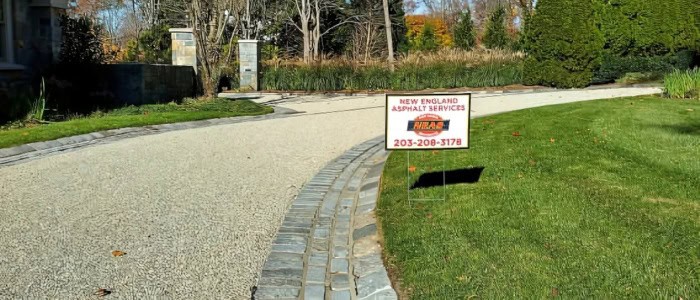
A gravel driveway displaying a sign of New England Asphalt related to selecting the appropriate contractor for oil and stone rejuvenation services.

Choosing the Right Contractor for Driveway Rejuvenation

The success and longevity of oil and stone driveway rejuvenation depend heavily on the skill and experience of the contractor performing the work. This isn’t a job for general paving crews or DIY methods, it requires specialized equipment, knowledge of rejuvenating agents, and an understanding of surface conditions.

What to Look for in a Rejuvenation Specialist

  • Proven experience with oil and stone surface treatments
  • A portfolio of completed projects (ask to see before-and-after photos)
  • Familiarity with local climate and surface wear patterns
  • Clear explanation of the process, materials used, and curing time
  • Proper insurance and licensing

New England Asphalt, for example, has decades of experience providing surface preservation services for residential, municipal, commercial, and industrial properties. Explore our commercial paving services o rmunicipal paving solutions to see the range of our capabilities.

Questions to Ask Before Hiring

  • What type of rejuvenator will be used?
  • How will the surface be prepared in advance?
  • What kind of aggregate will be applied?
  • What’s the expected lifespan of the treatment?
  • Are maintenance or follow-up services offered?

Always Get a Detailed Quote

When comparing estimates, don’t just look at the bottom line. Make sure each quote includes:

  • Surface preparation
  • Material specifications
  • Application process
  • Curing time
  • Warranty or service guarantees

For more on comparing treatment options, see our insights on chip seal driveway benefits and how they relate to long-term maintenance planning. Reach out to us today!

Case Studies: Successful Projects

Martha’s Vineyard

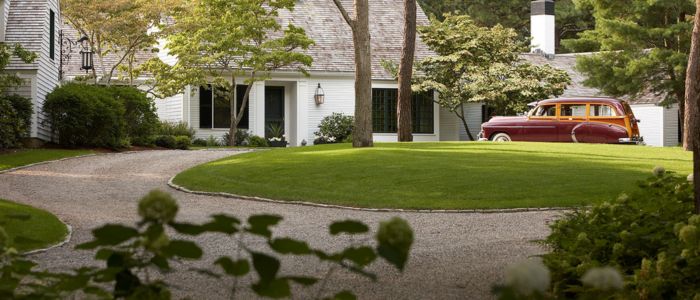
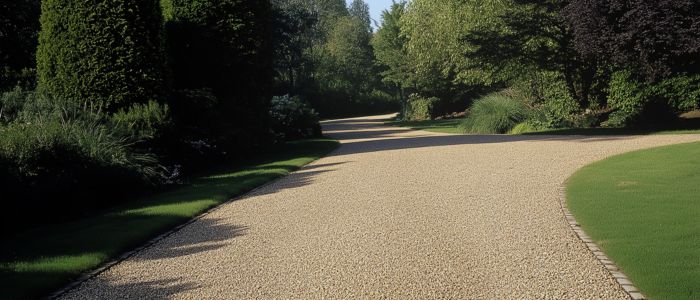
A circular driveway with lush trees and grass, highlighting the Oil and Stone Driveway Rejuvenation project in Martha’s Vineyard.

New England Asphalt completed a premium oil and stone driveway rejuvenation at the main residence of a 100-acre Arabian horse farm on Martha’s Vineyard.

The coastal environment presented challenges, including sun exposure, salt air, and seasonal weather shifts, which had caused fading and minor surface wear. Rather than opting for a full replacement, the property owner chose rejuvenation for its cost-efficiency and aesthetic value. 

The team applied a rejuvenating asphalt emulsion followed by clean, angular stone, restoring the driveway’s rich appearance and structural resilience. This approach offered a skid-resistant, water-resistant surface well-suited for the estate’s functional needs and upscale presentation.

The project exemplifies how rejuvenation can extend driveway life by up to a decade while improving curb appeal, delivering a long-term solution with minimal disruption to a high-traffic, high-value property.

Martin House
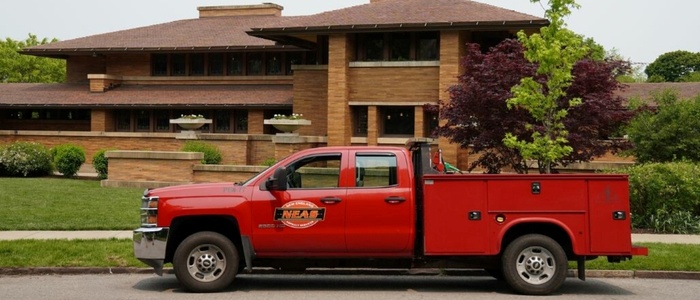
A red truck is parked outside a house, highlighting the oil and stone driveway rejuvenation at Martin House.

As part of a $100 million restoration of Frank Lloyd Wright’s Martin House in Buffalo, New England Asphalt was selected to restore the carriage house driveway using a chip seal process aligned with historic preservation standards. Maintaining architectural integrity was critical, so the stone aggregate was sourced from the same quarry Wright originally used.

The team applied a rejuvenating treatment followed by hand-selected stone to deliver a surface that met both modern performance standards and strict historical requirements. This sensitive application enhanced traction, protected against water damage, and blended seamlessly with the landmark’s original design.

The project earned top marks from preservation officials and demonstrates how oil and stone rejuvenation can be tailored for heritage sites. It highlights New England Asphalt’s ability to provide environmentally responsible, durable treatments even under complex regulatory oversight.

If your driveway is showing signs of aging, now is the time to schedule an evaluation. Contact us today, our team at New England Asphalt can help you determine what is the right solution for your property.

Frequently Asked Questions

I. Is this process suitable for long driveways or rural properties?

Yes, oil and stone rejuvenation is particularly effective for long, private, or rural driveways, where cost-effective, low-maintenance solutions are ideal.

II. How does oil and stone rejuvenation differ from traditional sealcoating?

Sealcoating sits on top of the pavement as a protective layer, whereas rejuvenation penetrates the surface to restore lost oils and flexibility. Rejuvenation also includes the application of new aggregate for enhanced structure and traction.

III. Can I apply oil and stone rejuvenation myself, or is it a professional-only service?

Due to the technical nature of the materials, surface preparation, and application methods, rejuvenation is not recommended as a DIY project. Hiring professionals like New England Asphalt ensures proper curing, material compatibility, and long-term performance.

IV. Will the new stone match my existing driveway’s appearance?

Professionals select complementary aggregates for color and texture, but exact matching may not always be possible, especially for older surfaces. However, the result is often a more uniform, refreshed appearance.

V. Can oil and stone rejuvenation be applied to driveways that have previously been sealcoated?

This depends on the condition and type of sealcoat used. A surface evaluation by a professional is necessary to determine compatibility before rejuvenation.

Thinking About a New Chip Seal Driveway?

Request a Free Quote

Our team is ready to help you create a durable, beautiful surface that stands the test of time. Contact us today to learn more.

Final Thoughts: Is Oil and Stone Driveway Rejuvenation Right for You?

If your driveway is beginning to show signs of aging, fading color, minor cracking, or scattered stone, but still has a solid foundation, oil and stone driveway rejuvenation is a highly effective and affordable solution. It restores your surface’s strength, texture, and appearance, all while preventing more serious damage and delaying costly replacement.

This process is ideal for homeowners looking to protect their investment, improve curb appeal, and make environmentally responsible maintenance choices. When performed by skilled professionals using the right materials, rejuvenation can add years of life to your driveway with minimal disruption to your property or routine.

For the best results, partner with a trusted contractor experienced in chip seal, oil, and stone applications. At New England Asphalt, we specialize in surface treatments that are durable, cost-effective, and built for New England’s unique climate challenges. To learn more or schedule an evaluation, visit our page on chip seal driveways or contact our team directly.
How Chip Seal Paving Works – A Complete 2026 Step‑by‑Step Guide

A house is accessed via a gravel driveway, showcasing the method of chip seal paving in residential areas.

Chip seal paving is a cost-effective surface treatment that combines hot liquid asphalt with crushed stone (aggregate) to create a protective, long-lasting roadway or driveway surface. This method strengthens existing pavement, seals minor cracks, and provides enhanced durability against weather and traffic wear.

So, how does chip seal paving works? The process starts with the application of heated asphalt emulsion, followed by an even layer of aggregate. The stones are then pressed into the asphalt using heavy rollers, forming a strong, skid-resistant surface. This technique not only extends the life of your pavement but also enhances traction and reduces maintenance costs over time.

In this step-by-step guide, we’ll walk you through exactly how chip seal paving works, what to expect during installation, and whether it’s the right solution for your residential or commercial surface.

Table of Contents

  1. Surface Preparation – The Foundation of a Successful Chip Seal
  2. Application of Binder – The Foundation for Bonding
  3. Aggregate Spreading – Texture, Strength & Style
  4. Compaction – Locking the Surface in Place
  5. Sweeping and Final Touches – Perfecting the Finish
  6. Benefits of Chip Seal Paving
  7. Chipseal vs Other Surface Treatments
  8. Advanced Applications and Variations
  9. Chipseal Cost Overview: What to Expect
  10. Common Challenges and How to Avoid Them
  11. Why Chipseal Works Well in New England’s Climate
  12. Ideal Uses and Where Chipseal Shines
  13. When Chipseal Is the Right Choice
  14. FAQs About Chip Seal Paving
  15. Conclusion

Step-by-Step Process of Chip Seal Paving

Understanding how chip seal paving works reveals that it’s a multi-step process requiring precision to ensure a durable and long-lasting surface. Here’s a breakdown of each step:

A man is actively working on road with a truck for surface preparation for chip seal paving.

Step 1: Surface Preparation – The Foundation of a Successful Chip Seal

The first and most critical step in the chip seal paving process is proper surface preparation. Industry best practices emphasize that the existing pavement must be clean, stable, and structurally sound before any binder is applied, as outlined in this chip seal best practices guide. Skipping or rushing this step often leads to premature surface failure.

The process begins by thoroughly sweeping or pressure-washing the pavement to remove dirt, dust, oil, leaves, and debris. Any contamination left on the surface can prevent the asphalt binder from properly bonding, which increases the risk of peeling, aggregate loss, and uneven wear. According to the Road Resource overview of the chip seal process, surface cleanliness directly impacts long-term adhesion and performance.

Once cleaned, all cracks, potholes, and surface defects should be repaired. Small cracks are sealed with appropriate crack filler, while larger damaged areas may require asphalt patching to restore structural integrity. These repairs help create a smooth, uniform surface so the chip seal can be applied consistently and perform as intended. This step is especially important when resurfacing older pavement, as explained in our guide to chip seal driveway resurfacing.

Finally, the pavement must be completely dry before binder application. Moisture trapped beneath the surface can weaken adhesion and compromise curing, leading to early deterioration. Proper surface preparation ensures strong bonding, even coverage, and maximum lifespan for the finished chip seal surface.

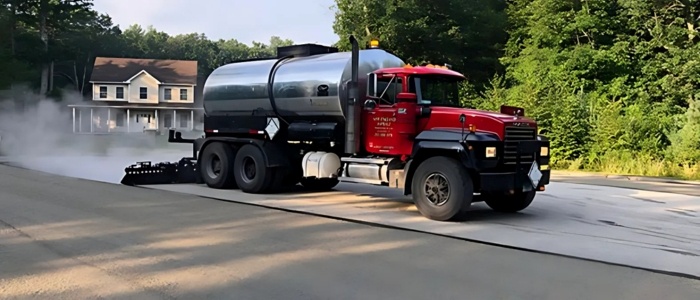
A truck applying hot liquid to a road surface as part of the chip seal paving process, illustrating binder application.

Step 2: Application of Binder – The Foundation for Bonding

Once surface prep is complete, the next phase is applying the binder, a heated asphalt emulsion that acts as the adhesive layer for the aggregate. This step is crucial to achieving a long-lasting and resilient chip seal surface.

Spraying the Asphalt Emulsion

The binder is sprayed evenly across the cleaned and repaired surface using a calibrated distributor truck. It must be heated to the correct temperature (typically between 150°F and 185°F), allowing it to flow smoothly and bond effectively with the underlying pavement.

This hot binder fills surface pores and hairline cracks, improving adhesion while creating a tacky surface to receive the aggregate.

Why Uniform Application Matters

Precision is key. Applying too little binder leads to poor adhesion and premature aggregate loss. Too much binder results in “bleeding,” where excess asphalt rises to the surface, causing slipperiness and uneven wear.

Uniform distribution prevents weak spots and ensures a consistent surface texture, extending chip seal performance and appearance.

Timing and Weather Conditions

Binder must be applied while still hot and fluid, ideally on a warm, dry day. Rain, humidity, or cool temperatures can hinder proper bonding. According to the Pavement Preservation Chip Seal Best Practices, chip seal should not be applied if rain is expected within 24 hours.

For a detailed look at chip seal installation and preparation, visit our Chip Seal Driveways page.

Choosing the Right Binder

In regions with seasonal extremes like New England, polymer-modified binders are often used to enhance flexibility and resistance to UV, water, and cracking, offering added protection for both residential and municipal surfaces.

A yellow truck on a road with trees in the background, showcasing the aggregate spreading process in chip seal paving.

Step 3: Aggregate Spreading – Texture, Strength & Style

Immediately after the binder is applied, the next step in how chip seal paving works is spreading aggregate, this top layer determines the surface’s texture, skid resistance, appearance, and durability.

How the Aggregate is Applied

Using a specialized chip spreader, crushed stone or gravel is evenly broadcast over the still-hot binder. The goal is full, consistent coverage without excess material.

Proper stone coverage ensures:

  • Strong binder-aggregate contact
  • Resistance to traffic wear
  • Prevention of early surface breakdown

Uneven spreading leads to premature failure, loose stones, or a patchy finish.

Choosing the Right Aggregate Type and Size

The type and size of aggregate impact both performance and appearance:

  • Larger stones: Best for durability and traction, ideal for rural roads or steep driveways
  • Smaller stones: Offer a smoother, more decorative finish, suitable for residential use
  • Angular stones: Lock together better than rounded gravel, improving stability

For residential aesthetics, various stone colors and sizes can create a custom, rustic appearance. For practical examples, see The Spruce’s guide to tar-and-chip driveways.

Performance vs. Aesthetics

Choosing aggregate is a balance of style and functionality. For driveways or commercial properties, appearance may guide stone choice. For high-use roads or inclines, durability and skid resistance take priority.

Ensuring Full Coverage

Proper coverage doesn’t just improve looks; it helps prevent weak spots or surface erosion. The final texture of the surface also supports safe vehicle traction, especially in wet or icy conditions.

This critical step sets the foundation for long-term chip seal success. Next comes compaction, where all elements are bonded into a unified, traffic-ready surface.

A roller compacts asphalt on a road, demonstrating the process of chip seal paving and ensuring a smooth surface.

Step 4: Compaction – Locking the Surface in Place

After the aggregate has been evenly applied to the binder, the next vital phase is compaction. This process uses heavy rollers to press the stone into the asphalt emulsion, ensuring a secure bond and creating a strong, unified surface.

Why Compaction Is Critical

Compaction ensures that each piece of aggregate is firmly embedded into the binder. Without it, stones may remain loose, creating safety hazards, premature wear, or surface irregularities.

Benefits of proper compaction include:

  • Strong adhesion between binder and aggregate
  • Increased surface density and durability
  • Better resistance to traffic stress and weather
  • Smoother, more uniform texture

If aggregate isn’t properly compacted, it can dislodge over time, causing raveling or surface shedding—two common signs of chip seal failure.

How the Compaction Process Works

Specialized smooth drum or pneumatic rollers are used to compress the aggregate. These machines make multiple passes across the surface in a systematic, overlapping pattern to ensure uniform pressure distribution.

Each pass presses the stone deeper into the binder, while maintaining surface levelness and texture. The number of passes varies depending on:

  • Type and size of aggregate
  • Ambient temperature
  • Binder viscosity
  • Surface condition

This step requires close monitoring to strike the right balance. Over-compaction can overly flatten the surface, reducing traction. Under-compaction risks leaving stones loose and vulnerable to dislodging.

Thinking About a New Chip Seal Driveway?

Request a Free Quote

Our team is ready to help you create a durable, beautiful surface that stands the test of time. Contact us today to learn more.

Timing: The Binder Must Still Be Hot

The binder must remain fluid during compaction. If it cools too much before rolling begins, it loses its adhesive quality and won’t hold the aggregate securely.

For best results, compaction should begin immediately after spreading the aggregate, while the binder is still at optimal temperature, typically above 150°F.

Key Advantages of Proper Compaction

  • Enhanced Durability: A well-compacted surface resists erosion, cracking, and damage from heavy use.
  • Improved Safety: Tight embedding prevents loose stones, improves traction, and ensures an even driving surface.
  • Superior Bonding: Firm pressure helps the binder fully envelop the stone, strengthening the adhesive bond.
  • Smooth, Interlocked Finish: The surface becomes more uniform in texture and appearance, improving both functionality and aesthetics.

Weather Resistance Boost

A properly compacted chip seal is less prone to weather damage, especially from freeze-thaw cycles. The tight bond prevents water infiltration, which is a major cause of surface degradation in cold climates like New England.

In areas with hot summers and cold winters, this step ensures the chip seal holds up through seasonal extremes.

Want to ensure your chip seal project is built to last?
Contact the experts at New England Asphalt Services for a site evaluation and custom paving solution designed for your specific needs.

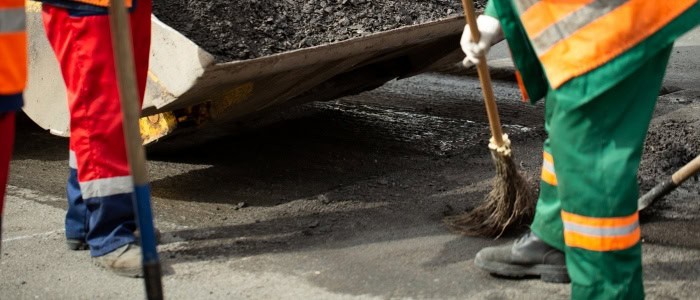
A man wearing an orange and green uniform sweeps the road, illustrating the sweeping phase of chip seal paving.

Step 5: Sweeping and Final Touches – Perfecting the Finish

The final step in how chip seal paving works ensures your surface is both functional and visually polished. It involves sweeping off loose aggregate and, optionally, applying a fog seal for added protection and curb appeal.

Removing Loose Aggregate: Essential Cleanup

After compaction, some aggregate remains loose on the surface. This excess stone must be removed to ensure long-term performance and safety.

Using specialized mechanical sweepers, the surface is cleaned of any unbound stones. This step:

  • Prevents loose material from becoming a driving hazard
  • Enhances surface smoothness and consistency
  • Prepares the pavement for traffic and optional treatments

A properly swept chip seal reveals a uniform, well-bonded layer that is both strong and attractive.

Optional Fog Seal Application: Added Protection and Polish

A fog seal is a thin, sprayed-on layer of asphalt emulsion applied after sweeping. While optional, this finishing touch offers multiple benefits:

1. Enhanced Surface Protection

  • Helps lock in aggregate and binder
  • Adds a moisture barrier to resist water infiltration
  • Improves resistance to traffic, UV exposure, and weather extremes

2. Boosted Aesthetic Appeal

  • Deepens surface color for a richer, darker tone
  • Provides a subtle gloss that smooths out the appearance
  • Ideal for residential driveways, walkways, and commercial spaces seeking a clean, refined look

The fog seal helps extend chip seal longevity, especially in climates like New England’s, where freeze-thaw cycles are common.

A gravel driveway in front of a house, highlighting the chip seal paving process, including drying and curing time.

Drying and Curing: Timing Matters

After fog seal application, the surface needs time to cure. Depending on temperature and humidity, drying may take several hours. During this period:

  • Avoid heavy traffic or equipment on the surface
  • Allow bonding between the binder, aggregate, and seal

Once fully cured, the chip seal is ready to withstand vehicle traffic and environmental exposure.

Final Inspection: Ensuring Quality and Safety

A thorough quality check wraps up the project. This includes:

  • Verifying surface evenness and full aggregate embedding
  • Ensuring no loose stones or uneven patches remain
  • Confirming proper bond strength and visual consistency

This inspection ensures the pavement meets high-performance standards and delivers both durability and aesthetics.

Lasting Results with a Polished Finish

This final phase ensures your chip seal surface doesn’t just function well, it looks great and lasts. Sweeping and the optional fog seal enhance safety, extend surface life, and add visual appeal.

Looking for a chip seal surface that performs and impresses?
Contact New England Asphalt Services today to schedule your project consultation and discover how we can help protect and beautify your pavement.

A gravel and stone driveway leading to a house, illustrating the benefits of chip seal paving.

Benefits of Chip Seal Paving

Chip seal paving offers a wide range of advantages that make it a popular pavement solution for residential driveways, rural roads, parking areas, and light‑traffic commercial surfaces. From durability to cost savings, chip seal delivers value that many traditional paving options can’t match.

Durability That Protects Your Pavement

One of the top benefits of chip seal is its ability to create a weather‑resistant surface that protects the underlying pavement. By sealing existing micro‑cracks and preventing water infiltration,one of the leading causes of pavement deterioration, chip seal reduces damage from moisture, freeze‑thaw cycles, and traffic loads.

This added protective layer helps:

  • Extend the life of existing pavement
  • Reduce the frequency of costly repairs
  • Preserve pavement integrity in variable climates

Investing in chip seal early can save property owners money and extend the usable life of driveways and roadways.

Improved Traction and Safety

The textured surface created by the crushed stone aggregate enhances vehicle grip, making chip seal a safe choice for a variety of conditions. This rough, skid‑resistant finish is especially beneficial in areas prone to rain, ice, or snow.

Benefits for safety include:

  • Better traction in wet or slippery conditions
  • Reduced likelihood of vehicle sliding or skidding
  • Enhanced control on inclines and curves

For properties with steep driveways, variable weather, or frequent traffic, this improved traction can significantly increase everyday safety.

Low Maintenance Requirements

Unlike some paving options that demand frequent repairs, chip seal surfaces typically require minimal routine care once properly installed. Maintenance usually includes:

  • Periodic sweeping to remove loose stones
  • Regular inspections for cracks or early wear
  • Timely crack‑sealing as needed

Because chip seal is resistant to water infiltration and surface breakdown, potholes and similar damage are less common, meaning fewer major repairs over time.

Thinking About a New Chip Seal Driveway?

Request a Free Quote

Our team is ready to help you create a durable, beautiful surface that stands the test of time. Contact us today to learn more.

Fast and Efficient Application

Chip seal stands out for its quick installation process. Unlike full asphalt overlays or concrete pours, which may take days or weeks to complete and cure, chip seal can often be installed and ready for use much faster.

Typical advantages include:

  • Installation completed in a single day
  • Surfaces often usable within hours
  • Minimal disruption to property access or traffic flow

This makes chip seal a convenient choice for busy driveways, service roads, or locations where downtime needs to be kept to a minimum.

Cost‑Effective Pavement Solution

One of the most appealing benefits of how chip seal paving works is its cost‑effectiveness. Because it uses existing pavement and does not require expensive materials or extended labor, chip seal is often significantly less expensive than full asphalt or concrete replacement.

Cost advantages include:

  • Lower initial investment
  • Reduced long‑term repair expenses
  • Excellent value for preservation and protection

For budget‑conscious property owners who still want a durable, long‑lasting surface, chip seal provides a smart alternative to pricier paving options.

Summary of Key Benefits

Chip seal paving delivers:

  • Long‑lasting durability and moisture protection
  • Enhanced traction and surface safety
  • Low maintenance and fewer repairs
  • Fast, efficient application with minimal disruption
  • Cost savings compared to traditional paving

These benefits make chip seal a practical choice for many property owners seeking an effective, value‑driven pavement solution.

Considering chip seal for your property?
Contact New England Asphalt Services to learn how this method can protect and enhance your pavement while saving time and money.

Chipseal vs Other Surface Treatments

Choosing the right surface treatment depends on your pavement’s condition, your budget, and how you use the area. While chip seal is a powerful, cost-effective option, it’s helpful to understand how it compares to other common treatments. Here’s how chip seal stacks up:

  • Chipseal vs Sealcoating: Chipseal adds a protective surface layer using asphalt emulsion and crushed stone. It reinforces structure, improves traction, and lasts 7–10 years. Sealcoating is a thin, liquid asphalt-based coating applied to asphalt for UV protection and a fresh appearance. Typically lasts 2–5 years.
  • Chipseal vs Fog Seal: Chipseal adds texture and strength through stone aggregate and binder. Fog seal is a light spray of diluted asphalt emulsion, often applied after chip seal to lock in aggregate or refresh aging pavement.
  • Chipseal vs Asphalt Overlay: Chipseal is more affordable, faster to install, and best for light to moderate traffic areas. Asphalt overlay provides a smooth, new layer of asphalt, but at a higher cost and longer installation time.
  • Chipseal vs Tar and Chip: These terms are often used interchangeably. “Tar and chip” is commonly used for decorative residential driveways, while “chip seal” is the standard term in commercial and municipal use. Both use the same basic process of liquid asphalt and crushed stone.
A gravel driveway with a sign, representing the concept of chip seal paving and its advanced applications.

Advanced Applications and Variations

While chip seal paving is highly effective on its own, there are advanced applications and variations that offer additional benefits when extra durability, a smoother finish, or further crack prevention is required. Here are some of the more advanced options for chip seal:

Double/Triple Chip Seal

For areas that experience high traffic or extreme weather conditions, a double or triple chip seal can be applied to increase the durability of the surface. This process involves applying additional layers of binder and aggregate, each layer compacted to form a thicker, stronger surface. 

A double chip seal uses two layers of binder and aggregate, while a triple chip seal uses three. These added layers provide increased protection against wear and tear, making them ideal for roads or driveways that need to withstand heavy vehicles, constant use, or severe weather conditions. 

The multiple layers create a more resilient surface that can handle the stress of high traffic volumes and frequent exposure to the elements.

Cape Seal

A Cape Seal is an advanced variation of chip seal that combines the chip seal process with a slurry seal on top. After the chip seal is applied and compacted, a slurry seal, essentially a thin, smooth layer of asphalt emulsion mixed with fine aggregate, is spread over the surface. 

This creates a smoother, more uniform finish than standard chip seal, while still providing the durability and weather resistance of the original chip seal. 

The Cape Seal option is ideal for areas where a smoother surface is desired without sacrificing the durability and low maintenance benefits how chip seal paving works: a step-by-step guide. 

It’s commonly used for roads and residential driveways where aesthetics and performance both matter.

SAMI (Stress Absorbing Membrane Interlayer)

The SAMI is a specialized application used in conjunction with asphalt overlays to reduce cracking and extend the life of existing pavement. SAMI is a layer of modified asphalt emulsion that is applied before an asphalt overlay is placed. 

It acts as a stress-absorbing membrane that helps to bridge existing cracks and prevent them from propagating into the new asphalt layer. SAMI is particularly beneficial in areas with extensive cracking or where structural issues may exist beneath the surface. 

This application can significantly improve the longevity of an asphalt overlay, providing extra protection against cracking, which ultimately reduces maintenance and repair costs.

These advanced chip seal variations provide property owners with additional flexibility to meet specific needs—whether it’s for enhanced durability, a smoother finish, or more effective crack prevention. 

Choosing the right variation depends on the level of traffic, environmental conditions, and desired performance of the surface.

Chipseal Cost Overview: What to Expect

The cost of chipseal paving varies based on factors such as driveway or road size, surface condition, aggregate choice, and site preparation requirements. 

Generally, chipseal is more affordable than full asphalt or concrete paving because it uses the existing pavement as a base and requires less material and labor. While exact pricing depends on your location and project specifics, chipseal remains one of the most cost‑efficient pavement preservation solutions available. 

When comparing options, consider both initial installation costs and long‑term value, chipseal’s lower upfront cost combined with reduced maintenance needs often results in overall savings compared to more expensive resurfacing methods. For personalized estimates and cost guidance tailored to your property, contact New England Asphalt Services.

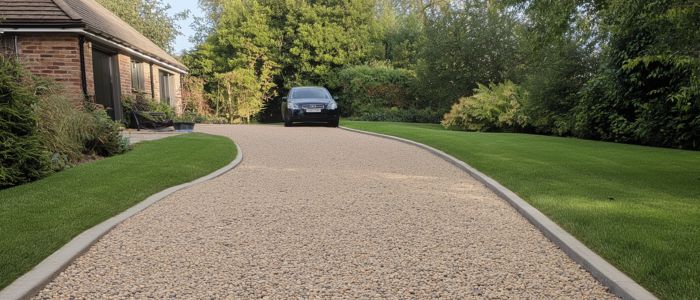
A car parked in the driveway of a house with a chip seal surface

Common Challenges and How to Avoid Them

While learning how chip seal paving works reveals many benefits, there are a few common challenges that can arise if the process isn’t executed carefully. Understanding these issues and knowing how to prevent them will help ensure a durable, long‑lasting surface.

Loose Aggregate: Preventing Early Stone Loss

One of the most frequent issues with chip seal surfaces is loose aggregate, where stones begin to dislodge from the binder shortly after installation. This can compromise surface smoothness, traction, and overall performance.

What Causes It?

  • Inadequate compaction
  • Insufficient binder application
  • Poor stone embedment

How to Avoid It

  • Ensure thorough and consistent compaction after spreading the aggregate.
  • Use the correct amount of binder to fully coat and adhere the stones.
  • Sweep off excess loose stones once the surface cures.
  • Allow proper curing time before opening the area to traffic.
  • Optionally, apply a fog seal after sweeping to further lock stones in place and create a more uniform surface.

Surface Bleeding: What It Is and How to Fix It

Surface bleeding occurs when excess binder migrates to the top of the surface, creating a shiny, sticky, or oily appearance. This condition can reduce traction and make the surface look uneven or unfinished.

Common Causes

  • Too much binder applied
  • Hot weather during application
  • Binder that is too fluid

How to Fix It

  • During installation, control binder application rates carefully.
  • If bleeding occurs, add additional aggregate to absorb excess binder.
  • A sand blotter (fine sand) can help absorb surface binder and reduce shininess.
  • Applying a light fog seal can also help smooth the surface and improve overall appearance.
A snowy street at night, with a chip seal surface reflecting the soft glow of streetlights.

Weather Dependence: Timing and Temperature Impact

Weather affects nearly every step of chip seal installation. Poorly timed application in unsuitable conditions often leads to adhesion problems and reduced lifespan.

Key Weather Risks

  • Binder cooling too quickly in cold conditions
  • Moisture interfering with bonding during rainy or humid conditions
  • Excessive heat causing binder to become too fluid

Best Practices

  • Install chip seal during warm, dry weather (typically above 60°F / 15°C).
  • Avoid application when rain or high humidity is forecasted.
  • Heat the binder to the recommended temperature range to ensure proper adhesion.
  • Consult weather forecasts before scheduling a chip seal project to avoid unexpected disruptions.

Properly managing weather conditions helps ensure each layer bonds and cures properly, significantly extending the performance and durability of the pavement.

Why Chipseal Works Well in New England’s Climate

Chipseal is especially well-suited for New England’s variable climate, where surfaces must endure hot summers, cold winters, and frequent freeze‑thaw cycles. The flexible asphalt emulsion used in chipseal helps resist cracking caused by temperature swings, while the rough aggregate surface provides excellent traction during rain, snow, or ice. Chipseal’s ability to seal minor cracks and prevent water infiltration is particularly valuable in this region, where moisture intrusion often leads to potholes and pavement breakdown. 

With proper installation and maintenance, chipseal offers reliable performance across all four seasons, making it a practical and durable choice for New England homeowners and municipalities alike.

Ideal Uses and Where Chipseal Shines

Chip seal paving is a versatile solution, but it’s not right for every surface or traffic condition. Understanding where it excels helps property owners make informed decisions.

Residential Driveways

Chip seal is an excellent option for residential driveways that:

  • Need a durable, weather‑resistant surface
  • Benefit from enhanced traction (e.g., steeper driveways)
  • Don’t require the higher cost or smooth finish of full asphalt

With a variety of aggregate options, chip seal can also be tailored to complement your property’s appearance.

A gravel driveway leading to a house, featuring a chipseal surface for enhanced durability and aesthetics.

Low to Moderate Traffic Areas

Ideal for:

  • Rural roads
  • Private driveways
  • Smaller parking lots

Chip seal provides sufficient durability and wear resistance without the expense of a full asphalt overlay.

Pavement Restoration

If your pavement is structurally sound but showing wear (fading, light cracking, minor roughness), chip seal can refresh and protect the surface by:

  • Sealing micro‑cracks
  • Reducing water penetration
  • Extending pavement life

This makes it a great choice when a full replacement isn’t yet necessary.

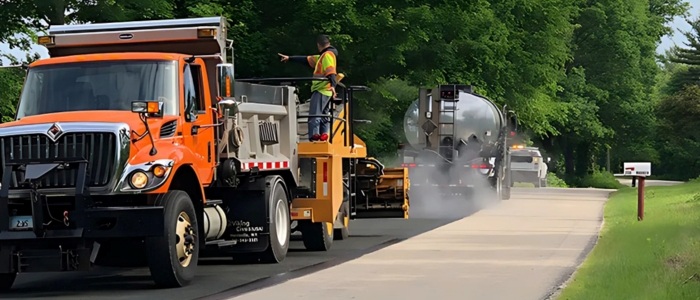
 A truck drives down a rural road with a man standing on the back, illustrating chip seal paving techniques.

Rural Roads and Highways

Chip seal is widely used on rural roads and low‑traffic highways where:

  • Heavy, constant traffic is not a major factor
  • Cost‑effectiveness is important
  • Weather resistance against water damage, freeze‑thaw cycles, and sun exposure is needed

It provides a long‑lasting surface that preserves pavement integrity without the infrastructure demands of full asphalt or concrete.

When Chipseal Is the Right Choice

Chip seal paving is most effective when:

  • Durability and weather resistance are priorities
  • Cost‑effectiveness is important
  • Quick installation and minimal downtime are needed
  • Light to moderate traffic conditions are expected
  • Existing pavement needs restoration, not full replacement

By understanding how chip seal works and where it performs best, property owners can choose the right paving solution for their specific needs and budget.

Ready to find out if chip seal paving is right for your property?
Contact New England Asphalt Services to get expert insight and a custom quote today.

FAQs About Chip Seal Paving

I. Can chip seal be applied over old pavement?

Yes, chip seal can be applied over existing pavement as long as the surface is in good structural condition. The pavement must be clean, free of debris, and any cracks, potholes, or damage should be repaired before application to ensure proper bonding. When done correctly, chip seal extends the life of the existing pavement by adding a protective layer that seals out water and slows deterioration.

II. How long until you can drive on chip seal?

Most chip seal surfaces can handle light vehicle traffic within a few hours after installation once the binder cools and sets. However, heavy vehicles and sharp turning should be avoided for at least 24–48 hours to allow the aggregate to fully embed. Full curing, where the binder has completely settled, can take up to a few days, depending on temperature, humidity, and other weather conditions.

III. Is chip seal suitable for all climates and traffic types?

Chip seal is a versatile surface treatment that performs well in a broad range of climates, from hot summers to freezing winters, because it helps protect against water infiltration, UV exposure, and freeze‑thaw cycles. It’s best suited for light to moderate traffic, such as residential driveways, rural roads, and private parking lots. In higher traffic environments, advanced applications like double or triple chip seal can improve durability and performance.

IV. How long does chip seal typically last?

A properly installed and maintained chip seal surface generally lasts 7 to 10 years, though this can vary based on factors such as traffic volume, weather conditions, base preparation, and maintenance. In low‑traffic or ideal weather conditions, it may last even longer. Regular upkeep like sweeping loose stones and sealing early cracks can help maximize lifespan.

V. Is chip seal better than asphalt?

Chip seal and asphalt serve different purposes and offer different benefits:
Chip seal is more cost‑effective and faster to install, with a textured surface that enhances traction and resists weather damage in moderate traffic areas.
Asphalt provides a smoother, more refined surface with a longer lifespan in heavy‑traffic settings but comes with higher material and installation costs.

Chip seal is often ideal for driveways, rural roads, and budget‑focused projects, while asphalt is preferred for urban streets, high‑use commercial areas, and smooth finish requirements. If you are wondering which is better betwe

VI. How expensive is chip seal compared to other surfaces?

Chip seal is generally more affordable than full asphalt or concrete paving because it uses the existing pavement as a base and requires less material and labor. Costs vary by driveway or road size, aggregate type, region, and preparation needs, but overall, chip seal remains one of the most cost‑efficient pavement preservation solutions available.

VII. Can chip seal be reapplied or layered?

Yes, chip seal can be reapplied every 7–10 years or as wear begins to show. In some cases, double or triple chip seals are installed (multiple layers of binder and aggregate), providing extra thickness and durability, especially useful in areas with heavier traffic or harsh weather conditions.

VIII. Does chip seal prevent potholes and cracks?

Chip seal helps seal surface cracks and prevent water from entering the pavement structure, which is one of the leading causes of potholes and deeper pavement failure. While it won’t fix deep structural issues or major base failures, it protects and preserves pavement health when applied at the right time in the pavement’s life cycle.

IX. How should I maintain a chip seal surface after installation?

Routine maintenance is simple but important for long‑term performance:
Sweep to remove loose stones and debris
Inspect and seal small cracks early
Ensure proper drainage to keep water from pooling
– Avoid aggressive snowplow blades or sharp turning that can dislodge stones

Minimal maintenance helps prevent early wear and extends the effective life of your chip seal.

Have more questions or want personalized advice?
Contact New England Asphalt Services for expert answers and a tailored chip seal solution for your property.

Thinking About a New Chip Seal Driveway?

Request a Free Quote

Our team is ready to help you create a durable, beautiful surface that stands the test of time. Contact us today to learn more.

Conclusion

In conclusion, chip seal paving is a highly effective, cost-efficient solution for extending the lifespan of your pavement while offering excellent durability, traction, and weather resistance. 

The process involves several key steps, from surface preparation to the application of binder and aggregate, ensuring a stable, long-lasting surface that can withstand the elements and traffic. 

Whether you’re looking to enhance a residential driveway, refresh an existing road, or protect your pavement from the wear and tear of daily use, chip seal offers a practical and affordable option.

With its low maintenance requirements, quick application time, and ability to improve traction and durability, chip seal is an ideal choice for many paving needs. Ready to get started on your paving project? Contact New England Asphalt Services (NEAS) today to learn more about how chip seals can benefit your property and receive a detailed estimate!

How Long Does Chipseal Last? 2026 Lifespan & Maintenance Guide

A driveway featuring a stone path that guides visitors to a charming house, highlighting a welcoming residential setting.

Chipseal driveways and roadways are known for their rustic charm, cost-effectiveness, and solid performance, but how long does chipseal really last? On average, a well-installed chip seal surface lasts between 7 to 10 years, though its true lifespan can vary significantly based on several key factors. These include traffic volume, climate, installation quality, type of binder and aggregate used, and how well the surface is maintained over time.

Unlike asphalt or concrete, chipseal doesn’t just rely on thickness, it depends on how all components work together to protect against weathering and wear. When applied and maintained properly, it offers a long-lasting, low-maintenance alternative that’s ideal for both residential and municipal surfaces. If you’re considering this option, see how it compares in The Spruce’s guide on tar-and-chip driveways.

In this updated 2026 guide, we’ll break down what determines chipseal longevity, how it compares to other paving options like macadam driveways, and what you can do to get the most years out of your investment.

Table of Contents

  1. Top 10 Factors That Affect Chipseal Longevity
  2. The Role of Subgrade and Drainage in Chipseal Longevity
  3. Chipseal vs Asphalt vs Concrete: Lifespan and Value Comparison
  4. When to Reapply or Replace a Chipseal Surface
  5. FAQs Related to “How Long Does Chipseal Last?”
  6. Conclusion: Is Chipseal the Right Choice for You?

Top 10 Factors That Affect How Long Chipseal Lasts

1. Traffic Volume and Load

The amount and type of traffic your chipseal surface experiences plays a major role in determining how long it will last. Heavy vehicles like trucks, RVs, and construction equipment place greater stress on the surface, accelerating aggregate loss and binder wear. Constant movement, turning, and braking can loosen the stone, especially in high-traffic areas like intersections or steep inclines.

On the other hand, light-to-moderate residential traffic typically allows chipseal to last closer to its full potential—7 to 10 years or more, especially with proper maintenance.

To counteract heavy-use wear:

  • Use larger, angular aggregate
  • Select a high-performance binder
  • Add a second chipseal layer in stress-prone zones

Learn how we tailor installations to meet traffic demands on our Chip Seal Driveways page.

An urban street scene showcasing a black asphalt road and prominent red traffic signs, emphasizing road safety and regulation.

2. Quality of Base and Subgrade Preparation

A chipseal surface is only as durable as the base beneath it. A poorly compacted or unstable subgrade leads to settling, cracking, rutting, and early surface failure.

Essential base prep includes:

  • Thorough surface cleaning
  • Leveling and shaping
  • Full compaction to eliminate soft spots

If moisture is trapped in a weak subgrade, freeze-thaw cycles and saturation can reduce the surface’s lifespan significantly. Proper drainage and grading are just as important as the materials used on top.

For technical insight into base construction, check out this engineering resource.

A wide driveway that connects to a sizable garage, framed by lush landscaping and a bright atmosphere.

3. Climate and Weather Conditions

Extreme weather, from scorching heat to deep freezes, can shorten chipseal lifespan if not properly accounted for. Hot temperatures can soften asphalt emulsion, while freezing conditions make it brittle and prone to cracking. Frequent freeze-thaw cycles, especially in New England, accelerate breakdown when water penetrates and expands beneath the surface.

Rain also presents a risk. If water isn’t drained away properly, it can weaken the bond between the binder and stone, leading to loose aggregate and surface erosion.

To extend performance:

  • Use weather-appropriate emulsions and stone
  • Install only in ideal weather windows (dry, warm conditions)
  • Avoid late-fall or damp-day installations

For guidelines on chipseal weather suitability, visit Road Resource’s climate considerations.

Need help determining the right season to install? Contact New England Asphalt for a site evaluation.

Thinking About a New Chip Seal Driveway?

Request a Free Quote

Our team is ready to help you create a durable, beautiful surface that stands the test of time. Contact us today to learn more.

4. Type and Quality of Aggregate Used

Aggregate selection is crucial to chipseal longevity. Angular, high-quality crushed stone locks together better and provides lasting surface texture. Cheaper or rounded aggregates are more likely to shift, loosen, or wear away under traffic.

High-quality aggregate ensures:

  • Strong interlock and surface grip
  • Resistance to displacement
  • Better bond with the binder

Your region’s climate also impacts which size and type of stone is ideal. New England Asphalt selects stone based on your site’s slope, use case, and environmental exposure.

A chipseal driveway winds through a garden adorned with lush trees, inviting tranquility and natural beauty.

5. Quality of Emulsion or Binder

The binder, or asphalt emulsion, is the adhesive that holds the entire surface together. If the binder is poor quality, it won’t resist UV rays, water, or movement, leading to premature failure. High-quality binders protect against:

  • Water infiltration
  • UV degradation
  • Freeze-thaw damage
  • Stone shedding

For regions with seasonal extremes, polymer-modified binders are recommended. These enhance flexibility, improve adhesion, and extend chipseal performance even in high-stress zones.

For more on how binder type impacts longevity, refer to the PSU chip seal workshop guide.

A chipseal driveway with gravel and grass leading up to a residential house, showcasing a blend of natural and paved elements.

6. Application Rates of Binder and Aggregate

The amount of asphalt binder and aggregate applied during chipseal installation must be carefully calculated. Applying too much or too little of either material can significantly reduce the surface’s durability.

  • Too much binder can cause bleeding, where asphalt seeps to the top, creating a sticky surface with reduced traction.
  • Too little binder results in poor adhesion, leading to loose aggregate and increased vulnerability to water damage.

Likewise, inadequate or excessive aggregate coverage can compromise texture and performance. Experienced contractors, like those at New England Asphalt, use calibrated equipment to ensure optimal rates for both materials, critical to achieving the full 7–10 year lifespan.

A chipseal driveway bordered by lush green bushes, showcasing a well-maintained outdoor space.

7. Proper Timing of Installation

Chipseal must be installed under the right weather conditions to ensure proper bonding and curing. Ideal timing includes:

  • Dry, warm temperatures
  • Low humidity
  • No rain forecast for 24–48 hours

Installing during cool, damp, or rainy conditions can compromise the binder’s ability to adhere and set properly. It can also lead to streaking, uneven distribution, or premature failure. As outlined in RoadResource.org’s weather guide, choosing the right day for installation is critical for a long-lasting result.

For help scheduling your project around the ideal conditions, contact our team at NEAS.

8. Adequate Curing Time

Once installed, chipseal needs proper time to cure before it’s opened to traffic. During this phase, the binder sets and firmly locks the aggregate in place.

Rushing this step can result in:

  • Dislodged stones
  • Surface deformation
  • Weak adhesion between layers

Typical curing time is 24 to 48 hours, but this may vary depending on temperature, binder type, and humidity. In some cases, temporary traffic controls like reduced speeds or limited access may be necessary to protect the surface during the first week.

Driving on chipseal too early is one of the top reasons installations fail prematurely.

A large truck sprays water on a road, illustrating maintenance practices for chipseal longevity.

9. Maintenance Practices

Even the best chipseal installation requires ongoing care. Simple, regular maintenance can significantly extend lifespan beyond 10 years.

Best practices include:

  • Sweeping debris and loose stones regularly
  • Crack sealing as soon as issues arise
  • Monitoring drainage and runoff patterns
  • Avoiding aggressive snowplow use

Proper maintenance helps preserve the bond between the aggregate and binder while reducing exposure to moisture and UV damage. For detailed upkeep tips, see our Chipseal Driveway Maintenance guide.

A truck drives along a road, featuring a man on the back, illustrating the effects of subgrade conditions on chipseal durability.

10. Subgrade and Drainage Conditions

The subgrade, the layer beneath your pavement, must be stable and well-drained. If the soil is too soft, saturated, or poorly compacted, it will shift under pressure, leading to cracks, rutting, or total surface failure.

Proper drainage is also essential. Water pooling near or under the surface accelerates deterioration. Key solutions include:

  • Grading the driveway for runoff
  • Installing culverts or drains
  • Using crushed stone or geotextile layers below the base

Skipping proper subgrade preparation is a common and costly mistake. It’s one of the leading causes of chipseal surfaces failing well before their expected lifespan.

The Role of Subgrade and Drainage in Chipseal Longevity

A properly prepared subgrade is the foundation of any long-lasting chipseal surface. If the ground beneath your pavement is unstable or holds moisture, it will compromise the entire structure over time.

Moisture intrusion is particularly damaging, as it creates the conditions for freeze-thaw cycles, water seeps beneath the surface, freezes, expands, and fractures the pavement from below. When combined with soft, poorly compacted soils, this leads to rutting, uneven settling, and eventually cracking or potholes.

To prevent this:

  • Ensure the subgrade is well-compacted and tested for stability
  • Incorporate drainage features such as culverts, ditches, or slope grading
  • Avoid low spots that collect water or prevent proper runoff

A strong subgrade and effective drainage system help protect the surface from seasonal stress, heavy loads, and water-related damage, ultimately extending the life of your chipseal by years.

Curious if your site is ready for chipseal? Contact New England Asphalt for a free consultation and expert evaluation.

Chipseal vs Asphalt vs Concrete: Lifespan and Value Comparison

When choosing a paving surface, longevity is just one of many factors. Here’s how chipseal compares to asphalt and concrete in terms of performance, cost, and maintenance.

FeatureChipsealAsphaltConcrete
Typical Lifespan7–10 years15–20 years25–30 years
Initial CostLowModerateHigh
Maintenance NeedsModerate (sweeping, resealing)Crack sealing, resurfacingOccasional joint repairs
AppearanceRustic, texturedSmooth, dark finishSleek, modern look
Best ForDriveways, rural roadsUrban driveways, parking lotsPremium residential, commercial
Surface TypeAggregate-basedSolid blacktopPoured slab
Climate ResilienceGood (with prep)Excellent with proper drainageVery good, but may crack in freeze-thaw cycles

When to Choose Chipseal

  • You’re looking for a cost-effective, low-maintenance alternative to blacktop
  • You prefer a natural or rustic aesthetic
  • Your driveway or access road sees light to moderate traffic
  • You want quicker installation with less downtime

Chipseal is especially well-suited for rural or semi-rural properties, long driveways, or budget-conscious projects. Learn more in our article on chip seal driveway benefits.

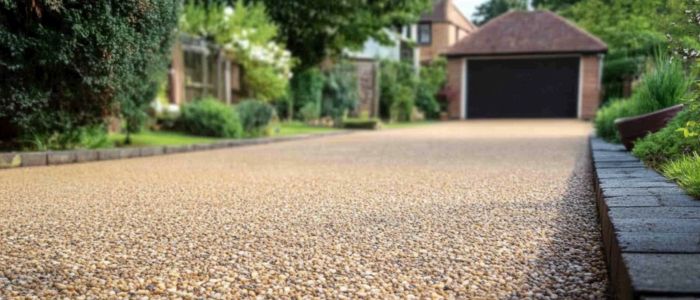
A close-up of a gravel driveway, highlighting the texture relevant to chipseal surface durability and replacement timing.

When to Reapply or Replace a Chipseal Surface

Even the best-installed chipseal surfaces don’t last forever. Knowing when to reapply or fully replace your surface is key to avoiding costly repairs or premature failure.

Signs It’s Time to Reapply Chipseal

If your surface is still structurally sound, but showing cosmetic or minor wear, it may just need a new chipseal layer:

  • Faded or dull appearance (loss of binder color)
  • Loose aggregate or minor raveling
  • Reduced surface texture or traction
  • Hairline cracks not yet deep or widespread
  • Water pooling in isolated areas

In these cases, a new chipseal layer can restore performance and extend lifespan by another 7–10 years.

When Full Replacement Might Be Needed

Some surfaces experience deterioration that chipseal can’t fix alone:

  • Widespread cracking or alligatoring
  • Potholes or base failures
  • Drainage issues that undermine the subgrade
  • Uneven or sunken sections

These issues usually point to structural problems with the base layer—in which case, full-depth repair or reconstruction is a better long-term investment.

Not sure where your surface stands? Contact New England Asphalt for a professional evaluation and personalized recommendation.

FAQs Related to “How Long Does Chipseal Last?”

I. How long does chipseal last on a driveway?

Chipseal typically lasts 7 to 10 years on residential driveways, and up to 12 years in ideal, low-traffic conditions. Lifespan depends heavily on climate, installation quality, and ongoing maintenance.

II. Can chipseal be reapplied?

Yes, chipseal can be reapplied every 7–10 years, and reapplication is common in long-term surface preservation plans. Each new layer enhances protection and adds visual refresh without the cost of full reconstruction.

III. How long before you can drive on a chipseal surface?

Most chipseal surfaces are safe for light traffic within 24–48 hours of application. However, it’s best to avoid heavy loads, sharp turns, and sudden braking for up to a week to allow full curing.

IV. Is chipseal as durable as asphalt or concrete?

Chipseal is not as long-lasting as full-depth asphalt or concrete. While asphalt may last 15–20 years and concrete 25–30 years, chipseal is a cost-effective solution with a shorter lifespan—but ideal for driveways, rural roads, or budget-conscious projects.

V. What are the most common problems with chipseal?

Typical chipseal issues include:
Loose stones from early traffic or poor bonding
Binder bleeding if too much emulsion is applied
Shortened lifespan under heavy use or poor drainage
Dusting if the wrong aggregate is used

These are often preventable with proper installation and routine care.

VI. Does chipseal require maintenance?

Yes, simple maintenance like sweeping debris, sealing cracks, and ensuring drainage can extend chipseal life by several years. Avoiding early heavy traffic and plow damage in winter also helps prevent surface weakening.

VII. Can chipseal be used on slopes or curves?

Yes, but installation on steep slopes or tight turns requires adjustments. This may include using more angular aggregate or polymer-modified binders for better traction and stability.

Do you have more questions? 

Contact NEAS for expert advice and solutions.

Thinking About a New Chip Seal Driveway?

Request a Free Quote

Our team is ready to help you create a durable, beautiful surface that stands the test of time. Contact us today to learn more.

Conclusion: Is Chipseal the Right Choice for You?

Chipseal offers a unique balance of affordability, durability, and curb appeal, making it an excellent solution for homeowners, municipalities, and commercial properties alike. With a typical lifespan of 7 to 10 years, and the potential to last even longer under ideal conditions, chipseal remains a smart choice for cost-effective surface preservation.

When properly installed over a well-prepared base and maintained with routine care, chipseal can provide reliable performance, especially in low to moderate traffic settings. Whether you’re planning a new driveway, improving a rural access road, or maintaining municipal pavement, chipseal delivers value that stands the test of time.

To ensure your project meets the highest standards, trust the experienced team at New England Asphalt. We specialize in tailored chipseal solutions designed for New England’s demanding climate and diverse project needs. Contact us today for a free consultation, and let’s discuss how we can help extend the life of your pavement with professional chipseal installation.